On a long flight, the engine hum never stops. You turn the movie up to hear it over the drone, and after a few hours your ears and head are tired. Good noise cancelling headphones take that low roar away so you can rest, or hear the film at a normal volume.
Many headphones fail on a plane for simple reasons. The battery dies halfway across the ocean. They have no cable, so they can't plug into the seat-back screen. Or the noise cancelling switches off the moment you plug the cable in, so you're back to hearing the engines.
We compared five options for flying, from over-ear headphones to sleep earbuds. One lasts 30 hours with noise cancelling on, plugs into the seat-back screen with the cable in the box, and keeps cancelling noise while it's plugged in.
Not sure? Let us pick for you
What matters most to you on a flight?
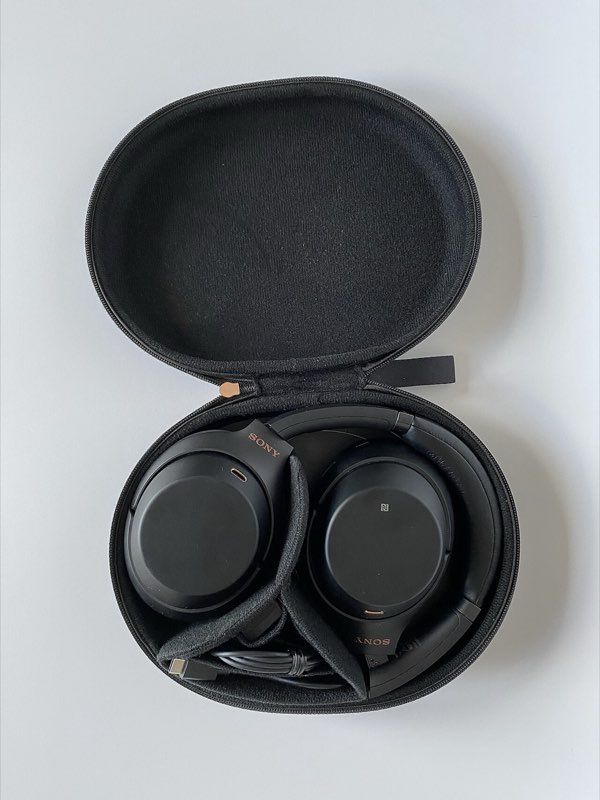
Our pick for you: #1Sony WH-1000XM6 Noise Cancelling Headphones
The headphone cable comes in the box, and noise cancelling keeps working on the cable, with up to 30 hours of battery.
Over-ear headphones with 12 microphones and an Adaptive NC Optimizer that adjusts to outside noise and air pressure. They play up to 30 hours with noise cancelling on, and the headphone cable in the box plugs into a seat-back screen with noise cancelling still working.
Up to 30 hours with noise cancelling on (40 hours off); 3 minutes of charging gives up to 3 hours with a USB-PD charger
Headphone cable included, and noise cancelling keeps working on the cable while the headset is on
Adaptive NC Optimizer adjusts to outside noise, air pressure and how you wear them, including with glasses or a hat
Folds into a compact case with a magnetic closure; wider synthetic leather headband, about 254 g
No airplane adapter in the box, so older two-prong seat jacks need one bought separately
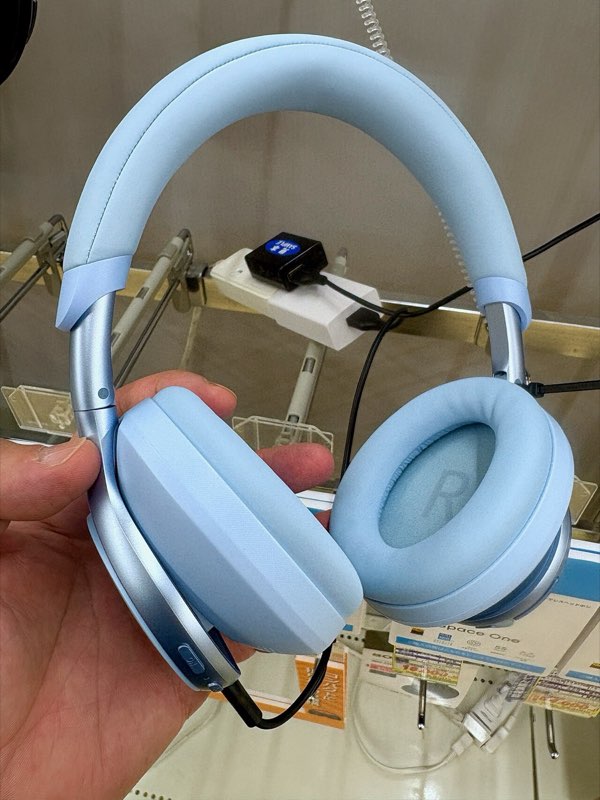
Soundcore by Anker Life Q30 Noise Cancelling Headphones
30+ hours with noise cancelling on
Plugs into the seat-back screen
Budget over-ear headphones with hybrid noise cancelling and a Transport mode made for airplane engine noise. Soundcore rates them at 40 hours with noise cancelling on at 60% volume, and they come with an AUX cable for the seat-back screen.
Transport mode is tuned to cut airplane engine noise
40 hours with noise cancelling on at 60% volume, per Soundcore; 5 minutes of charging gives 4 hours
AUX cable included for wired listening
Soft protein leather ear cups with memory foam; connects to two devices at once
Noise cancelling doesn't work when you use the AUX cable, so the engine noise comes back on the seat-back screen
You pick the noise cancelling mode yourself; it doesn't adjust on its own
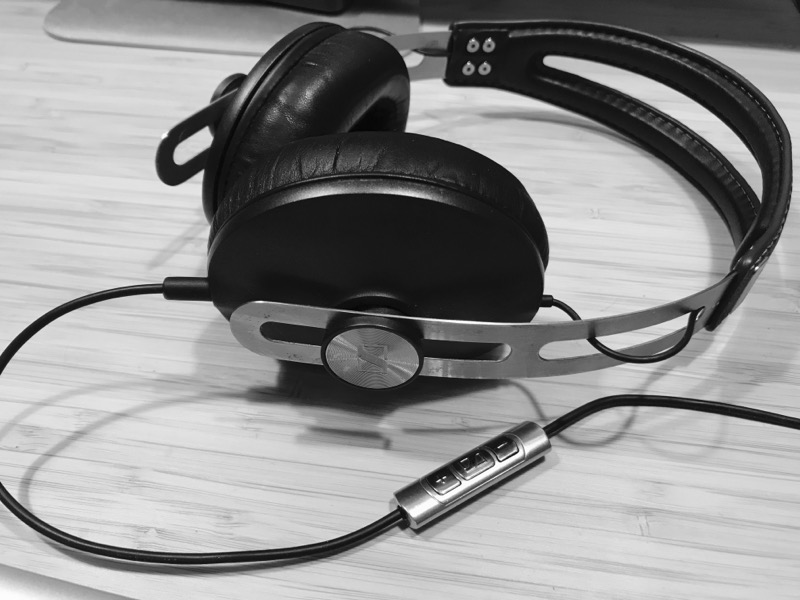
Foldable over-ear headphones with adaptive noise cancelling and up to 60 hours of playback. The box has a carry case, a 3.5mm to 2.5mm audio cable and an airplane adapter, so they plug into a seat-back screen, older two-prong jacks included.
Up to 60 hours of playback with fast charging, per the listing
Audio cable and airplane adapter in the box, plus a carry case
Adaptive noise cancelling, plus a Transparency mode for hearing your surroundings
Lightweight and foldable, with a cushioned headband and ear pads
The listing gives 60 hours but doesn't say how long they last with noise cancelling on
The listing doesn't say whether noise cancelling works on the cable
Similar model shown. Photo: KKPCW (Kyu3), CC BY-SA 4.0
8.5/10
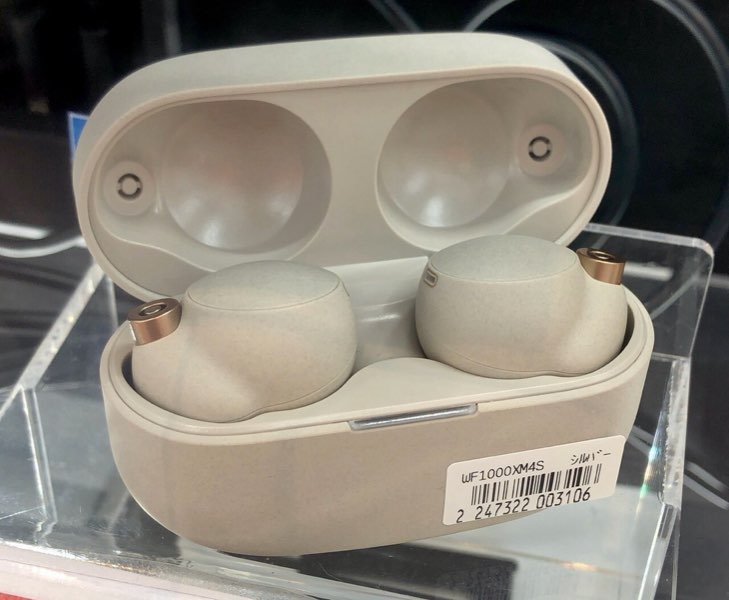
Sony WF-1000XM6 Noise Cancelling Earbuds
Small noise cancelling earbuds with eight microphones and an Adaptive NC Optimizer that adjusts in real time. Each earbud weighs about 6.5 g, and they play up to 8 hours per charge with up to 24 hours in total with the case.
Adaptive NC Optimizer uses eight microphones to adjust noise cancelling in real time
About 6.5 g per earbud, with four tip sizes (XS to L) in the box
Up to 8 hours with noise cancelling on, and up to 24 hours in total with the charging case
A 5-minute charge gives about 1 hour of playback
8 hours per charge with noise cancelling on, so a long-haul flight means topping up in the case
No cable input; you need a Bluetooth transmitter to use them with a seat-back screen
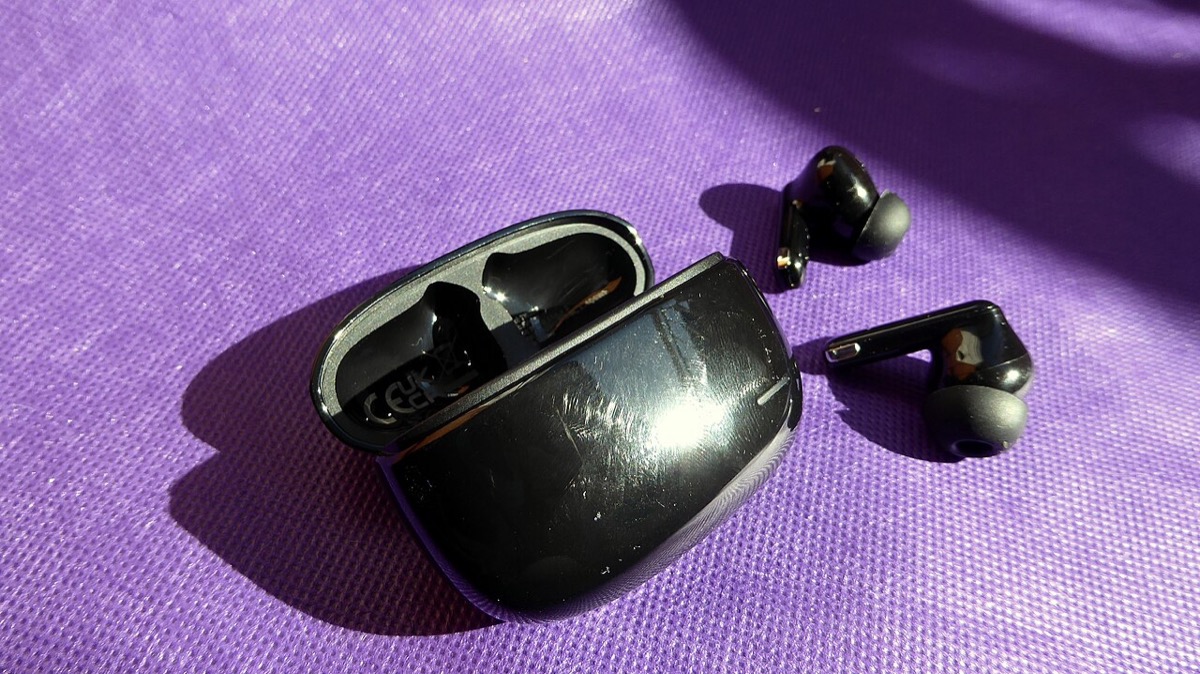
Slim sleep earbuds with active noise cancelling, soft silicone tips and short nozzles made for side sleepers. They play about 7 hours of Bluetooth audio with noise cancelling on, and the app has sleep sounds and alarms.
Slim, light build with short nozzles, designed to ease pressure when you lean your head to the side
Smart noise cancelling adapts to your ear canal
Sleep sounds, sleep reminders and built-in alarms in the soundcore app
Up to 50 hours in total with the charging case, per Anker
About 7 hours of Bluetooth audio with noise cancelling on, per Anker, so they need the case on a long flight
No cable input; you need a Bluetooth transmitter to hear the seat-back screen
The Sony WH-1000XM6 are over-ear noise cancelling headphones with 12 microphones and Sony's QN3 processor. For flying, three things matter most: 30 hours with noise cancelling on, a headphone cable in the box for the seat-back screen, and noise cancelling that keeps working on that cable.
Up to 30 hours with noise cancelling on, 40 hours off
Covers a long-haul flight and more without a charger
Wired use
Headphone cable included; noise cancelling works on the cable when the headset is on
Plug into the seat-back screen and still block the engine drone
Noise cancelling
12 microphones, Adaptive NC Optimizer adjusts to outside noise, air pressure and wearing style
Adjusts for the cabin, and for glasses or a hat
Carrying
Folds into a compact case with a magnetic closure; about 254 g
Packs flat in a carry-on
1. Lasts a long-haul flight
Up to 30 hours with noise cancelling on covers even the longest flights, with time left for the trip home. If you forget to charge, 3 minutes on a USB-PD charger gives up to 3 hours.
2. Works with the seat-back screen
The headphone cable comes in the box and plugs into the seat's headphone jack. Unlike many headphones, noise cancelling keeps working on the cable while the headset is on, so you don't hear the engines during the movie.
3. Built for the cabin
The Adaptive NC Optimizer adjusts to outside noise and air pressure, and to how you wear them, even with glasses. They fold into a compact case for your bag.
Who it's for
Long-haul flyers who want to watch the seat-back screen without hearing the engines
Anyone who wears glasses on the plane
Travelers who don't want to think about charging mid-trip
The honest trade-off
No airplane adapter in the box, so older two-prong seat jacks need one bought separately
How it did on what we compared
30+ hours with noise cancelling on
Plugs into the seat-back screen
Noise cancelling on the cable
Bottom line
If you want one pair for long flights that blocks the drone, lasts the whole trip and works with the seat-back screen, this is it. Choose the Soundcore Q30 to spend less, or earbuds if you want to sleep on your side.
What to look for in noise cancelling headphones for flying
Check the battery with noise cancelling on
Brands often quote battery life with noise cancelling off. Look at the 'on' number. 30 hours or more covers a long-haul flight with room to spare; earbuds usually need a top-up in their case.
Make sure it can plug into the seat
Most seat-back screens have a headphone jack, not Bluetooth. Over-ear headphones with a cable in the box work right away. Earbuds need a small Bluetooth transmitter that plugs into the jack.
Ask if noise cancelling works on the cable
Some headphones turn noise cancelling off when you plug in the cable. The manual or listing usually says so. If it does, the engine noise comes back as soon as you start a movie.
Over-ear or earbuds for sleeping?
Over-ear headphones block the most noise but are bulky when you lean against the window. Slim earbuds are easier to sleep in on your side, but have smaller batteries.
Questions about noise cancelling headphones for flying
Can I use noise cancelling headphones on a plane?
Yes. Noise cancelling headphones are widely used on flights. Bluetooth use is up to each airline, and you should follow the crew's instructions, especially during takeoff and landing. A wired cable avoids the question altogether.
Will my headphones work with the seat-back screen?
If they have a headphone cable, yes, for most screens. Some older seats use a two-prong jack, which needs a cheap airplane adapter. Bluetooth-only earbuds need a Bluetooth transmitter. See our guide on using Bluetooth headphones on a plane.
Over-ear or earbuds for a long flight?
Over-ear headphones block the most engine noise and last longer on a charge. Earbuds are lighter and easier to sleep in on your side. Some flyers bring both.
Are cheap noise cancelling headphones good enough for flying?
They can be. The Soundcore Q30 has a mode made for engine noise and a long battery. The main catch is that its noise cancelling turns off on the cable, so it's best when you watch on your own phone or tablet over Bluetooth.
Bottom line: the best noise cancelling headphones for flying
For flying, the Sony WH-1000XM6 are the noise cancelling headphones to buy: 30 hours with noise cancelling on, a cable in the box for the seat-back screen, and noise cancelling that keeps working on that cable. Choose the Soundcore Q30 to spend less, the Sennheiser MOMENTUM 4 for the longest battery and an airplane adapter in the box, the Sony WF-1000XM6 if you want small earbuds, and the Soundcore Sleep A30 if you want to sleep on your side.
Can You Use Bluetooth Headphones on a Plane? — Yes, on most flights, in airplane mode with Bluetooth on. How to hear the seat-back screen too, with a 3.5 mm cable, an adapter or a Bluetooth transmitter.
How to Actually Sleep on a Plane — Practical tips for sleeping on long flights in economy, from choosing a seat and timing your rest to the small kit that blocks light, noise and the head drop.