

What to Pack in Your Personal Item for an International Flight
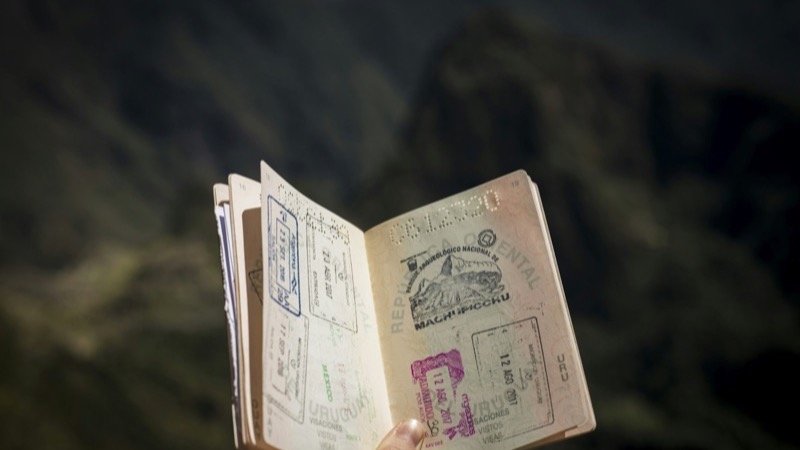
On an international flight, your personal item is your safety net. Your checked bag can be late, and the overhead bin can be full by the time you board. The bag under the seat is the one thing that stays with you from check-in to the arrival hall. So pack it with one question in mind: what would ruin the first day of the trip if it went missing?
Documents go in one pocket you can reach
Put every travel document in a single zip pocket near the top or front of the bag:
- Passport, plus any visa or entry approval your destination needs
- Boarding passes, printed or in your phone
- Hotel address and booking details, for the arrival form and the taxi
- A pen. Some countries still hand out paper arrival forms on the plane
Keep a photo of your passport page on your phone as a backup. For more on keeping it safe once you land, see how to keep your passport safe while traveling.
Anything you can't replace stays with you
If it would be expensive, hard or impossible to replace at your destination, don't check it:
- Medicine for the whole trip plus a couple of extra days, in its labeled containers
- Glasses or contact lenses, and the case
- Laptop, tablet and camera
- Keys, cards and some local cash for the first taxi or train
- Power bank and spare batteries. Airlines want spare lithium batteries in the cabin, not in checked bags
A change of clothes, in case your bag is late
A delayed suitcase is annoying on a short trip. On an international one, it can mean a day or two in the clothes you flew in. Pack one light outfit: a shirt, underwear and socks roll up smaller than a water bottle.
If you're flying overnight, that same change of clothes means you can freshen up before landing. Add a toothbrush and travel-size toothpaste.
Liquids follow the cabin rules
Anything in your personal item goes through security. In the US, that means liquids in containers of 3.4 oz (100 ml) or less, all in one quart-size bag. Our guide to the TSA liquids rule covers what counts.
Keep that bag near the top, because you may have to take it out at security. On a connection abroad, you may go through security again, and some airports have their own rules.
Comfort for a long flight, kept small
An international flight is long, so a few comfort things earn their place: a sweater or light jacket, an eye mask, earplugs or headphones, and an empty water bottle to fill after security. For a full sleep kit, see what to bring to sleep on a long flight.
Snacks help too, but eat or toss fresh fruit and meat before landing. Many countries don't allow you to bring them in.
Pack it so the bag opens the right way
Under the seat, you can only reach what's on top or in the outside pockets. Pack in layers:
- Outside pocket: passport, phone, pen, boarding pass.
- Top of the bag: liquids bag, headphones, sweater, snacks.
- Bottom or back section: the change of clothes and anything you won't need until you land.
- Laptop sleeve: the laptop, so you can slide it out at security without unpacking.
A bag with two separate sections makes this easier, since the clothes side can stay zipped all flight. Our top pick, the Nomad Lane Bento Bag, opens like a small suitcase into two compartments and has quick-access pockets for a phone, passport and wallet.
Leave room for the size and weight check
Some airlines outside the US weigh cabin bags as well as measure them. Don't pack your personal item to bursting: a soft bag that bulges can fail the sizer, and a heavy one can fail the scale. Our guide to carry-on weight limits on international flights explains how that works.
Pack what you can't lose, and keep it on top
Your personal item should hold your documents, medicine, electronics, valuables and one change of clothes, packed so the things you need in flight sit on top. Everything else can go in the checked bag. For five under-seat bags that make this easy, see our best personal item bags for travel.