

How Long Does a Heated Vest Battery Last?
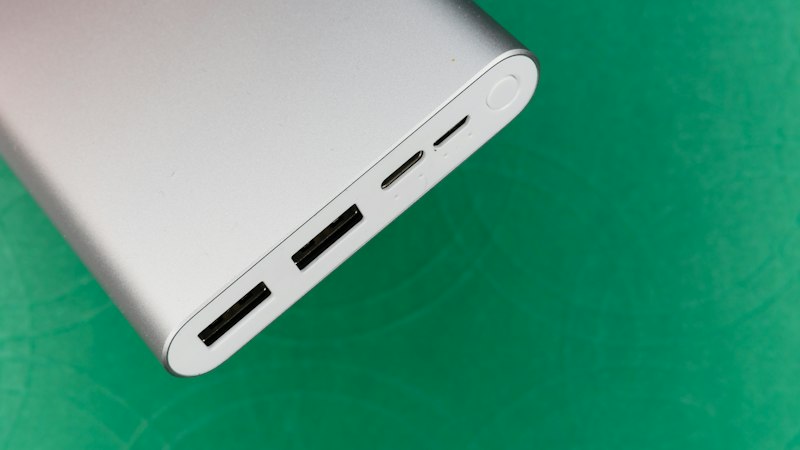
A heated vest is only as good as its battery. When the battery dies, you're wearing a thin vest in the cold. So before you buy one, it helps to know how long the heat really lasts, and what the numbers on the listing mean.
The short answer
Most heated vests with a battery in the box list about 8 to 11 hours on low. On high, plan on about 3 hours.
Here is what the vests in our comparison list:
| Vest | Battery | Low | Medium | High |
|---|---|---|---|---|
| ORORO 4-zone puffer | 7.38V, 4800mAh (35.4Wh) | Up to 10 h | 6 h | 3 h |
| ORORO softshell | 7.38V, 4800mAh (35.4Wh) | Up to 8 h, by setting | Not stated | Not stated |
| Zylyva 8-zone | 7.4V, 18400mAh | Up to 11 h | Not stated | Not stated |
| KAWELA 8-zone | 10000mAh power bank | Not stated | Not stated | Not stated |
| KEMIMOTO | None included | Up to 8 h, with your own power bank | Not stated | Not stated |
Notice that the biggest number is always on low. If a listing says "up to 10 hours," that's the lowest setting.
Why high drains so fast
The battery holds a fixed amount of energy. High heat uses it up about three times as fast as low. ORORO's numbers show it clearly: 3 hours on high, 6 on medium, 10 on low, all from the same battery.
The number of heating zones matters too. A vest that heats eight pads at once has more to power than one that heats four. Vests with separate controls, like the Zylyva's front and back switch, let you turn off the zones you don't need.
What mAh and Wh mean
Listings give battery size in two ways.
- mAh (milliamp-hours) tells you how much charge the battery holds. Bigger is more.
- Wh (watt-hours) is the total energy. It's the fairer number, because it includes the voltage.
To get watt-hours, multiply volts by amp-hours. ORORO's battery is 7.38 volts times 4.8 amp-hours, which is about 35.4Wh. That's why two batteries with the same mAh can last different lengths of time if their voltages differ.
Watt-hours also matter if you fly. In the US, FAA rules allow lithium batteries up to 100Wh in your carry-on, and spare batteries must not go in checked bags. ORORO lists its battery at 35.4Wh. If a listing gives only mAh, check the label on the battery before you pack it.
Can you use any power bank?
Not always. Some vests, like the KEMIMOTO, are sold without a battery and run from a USB power bank you supply. Others need a special 7.4V battery. Zylyva says a normal 5V USB bank can't run its full vest. Check what your vest needs before you buy a spare.
How to make one charge last longer
- Charge it full the night before. A half-charged battery gives half the time.
- Warm up on high, then drop to low. Use high for the first few minutes, then step down once you feel warm.
- Wear a layer over it. A shell or jacket on top keeps the heat in, so low feels warmer.
- Keep the battery in its pocket. The battery pocket sits inside the vest, which keeps the battery out of the wind.
- Turn off zones you don't need. If your vest has separate controls, you may not need every pad on.
- Carry a spare. For a long day, a second battery of the right type doubles your heat time.
How long does the battery itself last?
Batteries wear out over many charges, like a phone battery. ORORO rates its battery for 800+ charge cycles. If you charge it a few times a week through winter, that's many seasons of use. When it stops holding a charge, you can often buy a new battery instead of a new vest.
The bottom line: look for 10+ hours on low
For a full day outside, look for a vest that includes its battery and lists 10 or more hours on low. The ORORO 4-zone heated vest lists up to 10 hours on low from a UL-certified 35.4Wh battery, and its USB port can top up your phone too.
For all five vests compared side by side, see our best heated vest for men guide.