

Smart Ring vs Fitness Watch: Which Should You Wear?
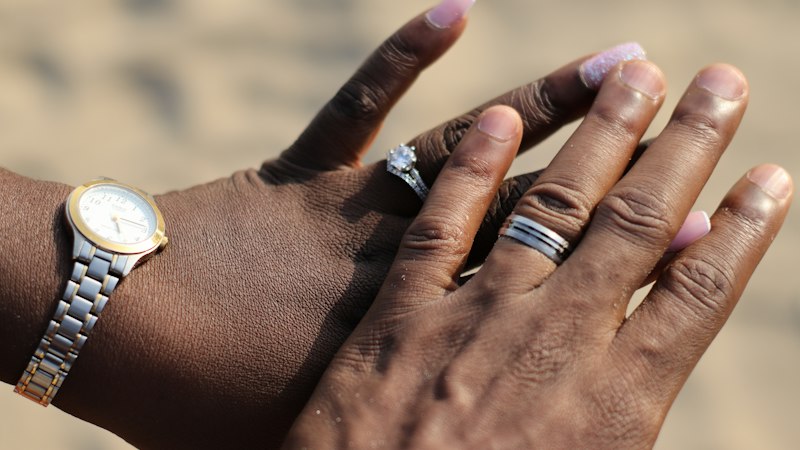
A smart ring and a fitness watch both count steps, track sleep and show heart rate in an app. They feel very different to live with. The ring is quiet and nearly invisible. The watch is a small screen that talks back. Here's how to pick.
What a smart ring does well
You forget it's there. The rings we compared are 2 to 2.3 mm thick and weigh a few grams. RingConn lists its Gen 2 at about 2 g. That makes a ring easy to wear to bed, which is why many people buy one for sleep tracking.
Long battery life. With no screen to power, rings last longer per charge than most watches. The RingConn Gen 3 lists up to 14 days, and the Gen 2 lists 10 to 12.
No screen to distract you. There's nothing to light up at night or buzz with every message. You check your data in the app when you want it.
It looks like jewelry. A ring fits with a suit, a dress or a work uniform where a sporty watch might not.
Where a smart ring falls short
- No screen. You can't check the time, your steps or a timer without your phone.
- Few or no alerts. Most rings don't vibrate at all. The RingConn Gen 3 is an exception: it can vibrate for inactivity and low battery, per its listing.
- Sizing is fussy. Smart rings use their own sizes, so you'll want a sizing kit first. See our smart ring sizing guide.
- Gym knocks. A ring sits between your hand and a barbell or pull-up bar. Some people move it to another finger or take it off for lifting.
What a fitness watch does well
A screen on your wrist. You see the time, your workout and your heart rate during a run without pulling out your phone.
Notifications. Most watches show texts and calls and can vibrate for each one.
Workout tools. Many watches have workout modes, timers, and on some models GPS for mapping a run without your phone. Check the listing for the model you want.
Where a fitness watch falls short
- Shorter battery on many models, especially those with bright screens and GPS.
- Bulkier at night. A watch is bigger and heavier on your wrist in bed, and some people take it off to sleep.
- More to look at. Alerts are useful in the day but can be a distraction at night or in meetings.
The subscription question
Both rings and watches can come with paid plans. Some ring makers, Oura for example, sell a paid membership for their full app features. The rings in our comparison say they work with no monthly fee, though the RingConn Gen 2 Air listing promises that only for its "standard features". Watches vary too. Read what the free app covers before you buy either one.
Side by side
| Smart ring | Fitness watch | |
|---|---|---|
| Screen | None | Yes |
| Typical stated battery | About 2 to 14 days (rings we compared) | Varies widely by model |
| Comfort in bed | Very light | Bulkier |
| Notifications | Few or none | Common |
| Sizing | Needs a sizing kit | Adjustable strap |
Which one suits you?
Get a smart ring if you mostly care about sleep and daily activity, hate wearing a watch to bed, want something that looks like jewelry, or want to charge it about once a week or two.
Get a fitness watch if you want to see stats during a workout, want message alerts on your wrist, or want GPS on a run without carrying your phone.
Wear both if you want workout stats in the day and a lighter tracker at night. Check that both apps can share data with Apple Health or Google Health Connect; RingConn lists both for the Gen 3.
A note on health
Rings and watches like these are wellness gadgets, not medical devices. RingConn says on its own site that its rings are not medical devices. Treat the numbers as a rough guide to your habits, and see a doctor for any health concern.
For five rings that work with no monthly fee, compared on battery, charging case and app access, see our best smart ring without subscription comparison.