

How to Sleep in a Car on a Road Trip (as a Passenger)
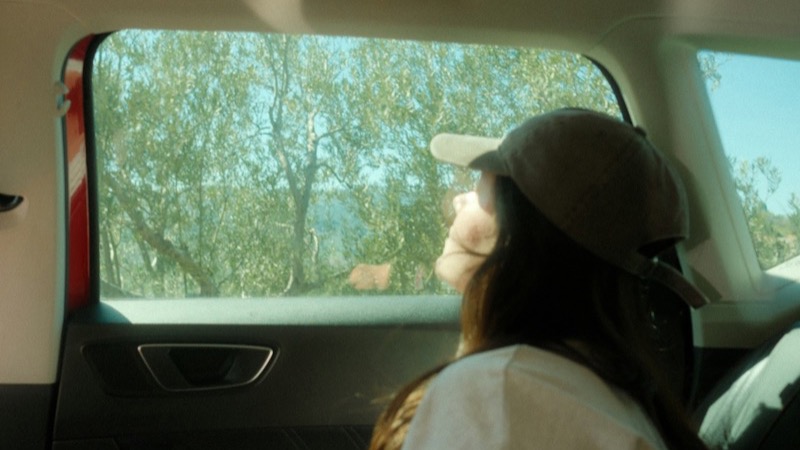
Sleeping in a moving car is hard because nothing holds your head still. You sit upright, the car turns, and your head rolls into the window. Here's how to sleep better as a passenger, without giving up your seatbelt.
This guide is for passengers only. If you're driving, you stay awake.
Keep your seatbelt on and sit mostly upright
It's tempting to take off the belt and curl up across the back seat. Don't. A seatbelt works when you sit in the seat the way it was made for. Lying down or slipping the shoulder belt behind you means it can't hold you properly if the car stops hard.
Instead, recline the seat a little, not all the way, and slide it back if there's room so you can stretch your legs. A slight recline lets your head rest against the headrest instead of hanging forward.
Kids follow different rules. The CDC says to keep children buckled in the back seat until age 13, in the right car seat or booster for their size.
Stop your head from rolling into the window
This is what wakes most passengers. When you fall asleep, your neck relaxes and your head drifts to one side. In a car, every curve pushes it further.
You have three ways to fix it:
- A headrest pillow. It clips onto the two metal poles under an adjustable headrest and puts a pad on each side of your head. It stays on the seat, so it doesn't slide when you move. Our top pick, the Heapany Roadpal, has two side pillows that rotate to your height. Check your seat first: these only fit headrests with two metal poles, and most rear seats won't take one.
- A strap pillow. If you're in the back seat or on a bus, pick a pillow that straps to the headrest. It holds your head back against the seat instead of letting it swing.
- A wrap pillow. A soft loop or neck pillow you wear works in any seat. It moves with you, though, so it does less on curvy roads.
A rolled-up jacket between your head and the window is the old trick. It works for a while, but it slides down as soon as you shift.
For the full comparison, see our best travel pillows for cars.
Block out the light
Sun through the side window flickers as you pass trees and buildings, and that's enough to keep you awake. A few easy fixes:
- Wear a sleep mask or pull a cap down over your eyes.
- Ask the driver if you can put up a window sunshade on your side.
- Sit on the side of the car away from the sun, if you can choose.
Turn down the road noise
Tires, wind and the radio all add up. Foam earplugs or headphones playing quiet music or rain sounds help a lot. A soft pillow between your ear and the door also cuts some of the rumble you feel through the glass.
Get comfortable before you try to sleep
The best naps start at a stop. Before you settle in:
- Use the restroom and stretch your legs, so you're not woken 20 minutes later.
- Set your seat and pillow while the car is parked.
- Add a layer or a small blanket. The air conditioning is set for the driver, and sitting still gets chilly.
- Take your shoes off if that's comfortable, and keep your feet on the floor, not on the dashboard.
Tell the driver you're going to sleep
It sounds small, but it helps both of you. The driver can keep the music down, take the bumps a bit gentler, and won't expect you to read the map. On long drives, take turns: one sleeps while the other drives, then swap at a stop.
Your quick road trip sleep kit
- A headrest pillow, or a strap pillow if your seat has no headrest poles
- A sleep mask or cap
- Earplugs or headphones
- A light layer or small blanket
- Water and a snack, so hunger doesn't wake you
With your head held still, the light blocked and the noise turned down, a passenger can get a real nap on a long drive, belt on the whole time.